If you’re searching for dark fantasy novels like Lord Of The Mysteries, you’re in the right place.
Whether you want a dark, unforgiving world littered with monsters and compelling mysteries, or a deep magic system where power comes at a price, you’ll find your next read in this post.
Best part is:
I’ve read these novels. I didn’t just scrape blurbs from the internet or ask AI to write this. These are five stories I enjoyed as a LOTM fan and wholeheartedly recommend.
TLDR: 5 Dark Fantasy Books Like Lord Of The Mysteries
- Shadow Slave by GuiltyThree
- Death God’s Gambit by Jay Cartere
- Circle Of Inevitability by Cuttlefish That Loves Diving
- Overlord by Kugane Maruyama
- Omniscient Reader’s Viewpoint by singNsong
Keep reading to discover how each novel compares to Lord Of The Mysteries and which book you should read next.
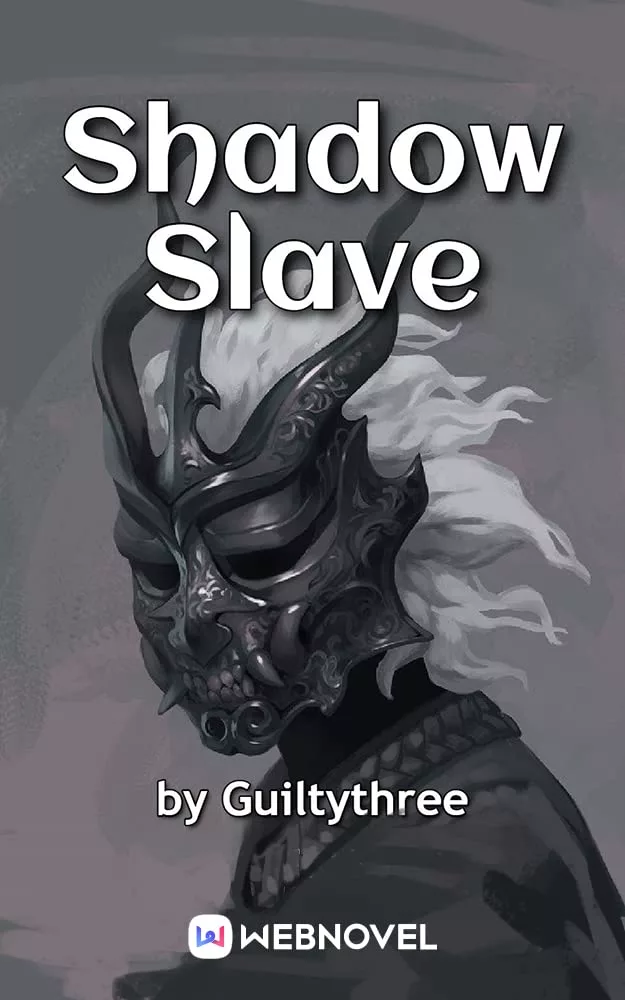
What’s Shadow Slave about?
Growing up in poverty, Sunny never expected anything good from life. However, even he did not anticipate being chosen by the Nightmare Spell and becoming one of the Awakened - an elite group of people gifted with supernatural powers.
Transported into a ruined magical world, he found himself facing against terrible monsters - and other Awakened - in a deadly battle of survival.
What’s worse, the shadow powers he received happened to possess a small, but potentially fatal side effect...
What makes this dark fantasy novel like Lord Of The Mysteries?
- Deep Mystery and Lore: Shadow Slave hooks you and keeps you reading into the early morning hours as you uncover its mysteries. You’ll be wondering things like: is that ancient being really dead, why did a hidden god create that powerful artifact, and what’s the true purpose behind the Nightmare Spell?
- Calculating MC: Like Klein, Sunny often fights enemies more powerful than him. Instead of pulling a strength boost out of his arse at the last minute, he uses preparation, cunning, and tactics to win.
- Dark Fantasy World: Both stories have dark, unforgiving worlds where one wrong move can kill you. Not fun for the characters, but enjoyable for readers.
- In-Depth Hard Magic System: Shadow Slave’s Aspects, Attributes, and Flaws follow clear rules, like LOTM’s Sequences and pathways. When Sunny wins a fight, you understand how and why.
- Compelling Side Characters: The supporting cast have their own goals, secrets, and arcs—and like Klein’s Tarot Club, they gradually become part of Sunny’s found family.
What makes this novel different from LOTM?
- Modern Setting: Instead of a Victorian Steampunk world, Shadow Slave takes place in a futuristic, post-apocalyptic Earth where humanity fights for survival against the Nightmare Spell.
- Portal Fantasy: Sunny travels between the real world and the Dream Realm, splitting the story across two distinct settings.
- Better Initial Pacing: If you thought the first arc of LOTM was a slog (there were great parts, but let’s be honest—the pacing was horrible) you won’t have that issue with Shadow Slave.
The story starts with a bang and soon rolls into one of its best arcs: The Forgotten Shore. You won’t struggle to get through the initial chapters; you’ll struggle to stop reading. RIP to your sleep schedule. - Native MC: Unlike Klein, who transmigrates to the LOTM world with knowledge from Earth, Sunny is native to the Shadow Slave world. He grew up in the slums, surviving with his street smarts and cunning instead of meta-knowledge.
Here’s why Lord Of The Mysteries readers will enjoy this dark fantasy novel
If Lord Of The Mysteries hooked you with its layered mysteries and protagonist who rarely enters a fight without a plan, you’ll enjoy Shadow Slave.
Shadow Slave’s world is deeper than it first appears. Ancient beings lurk beneath the surface, history is shrouded in shadow, and every revelation raises new questions.
The best part is, you don’t need to wade through a slow start to get to the good stuff—Shadow Slave hits the ground running and doesn’t stop.
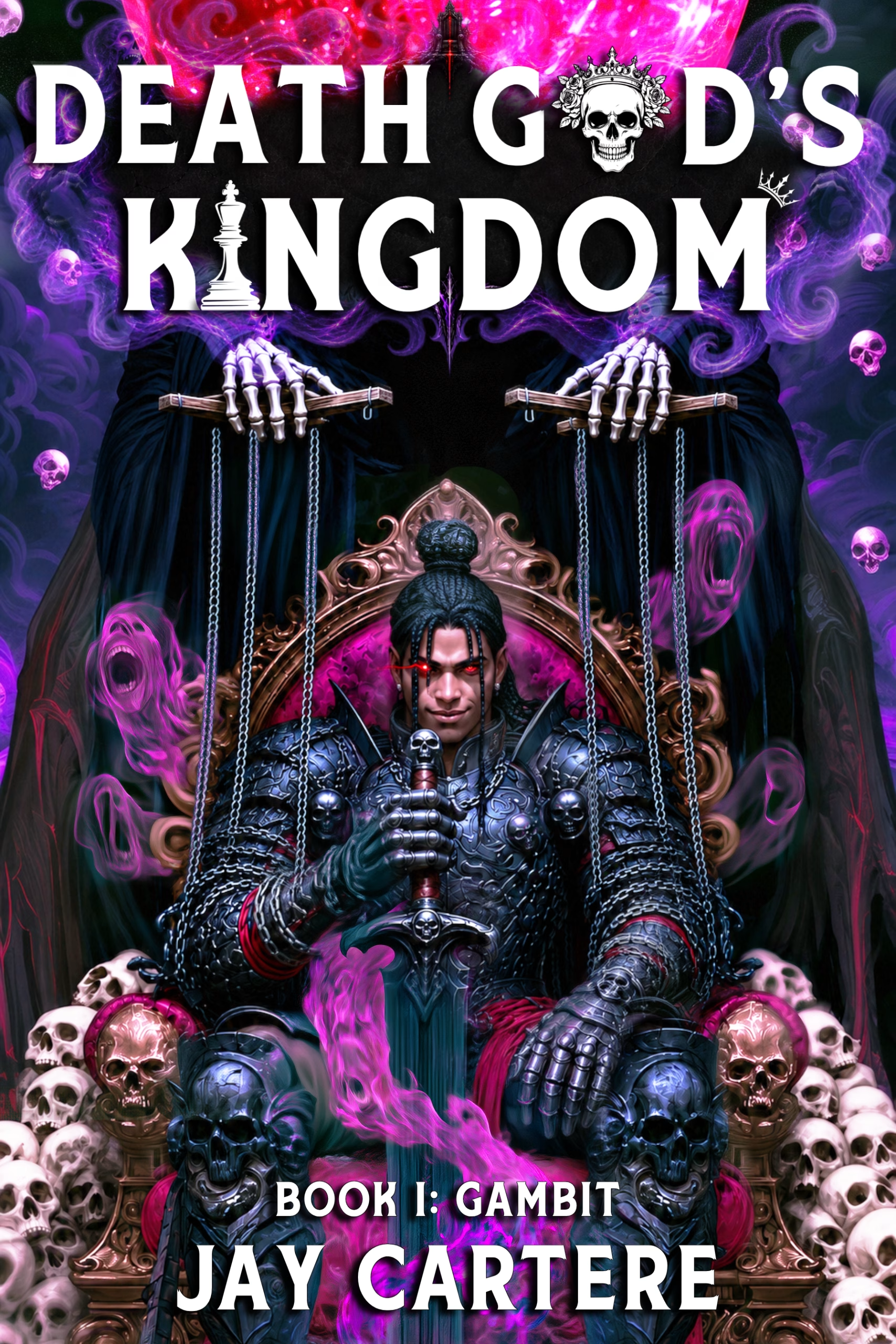
Death God’s Gambit By Jay Cartere
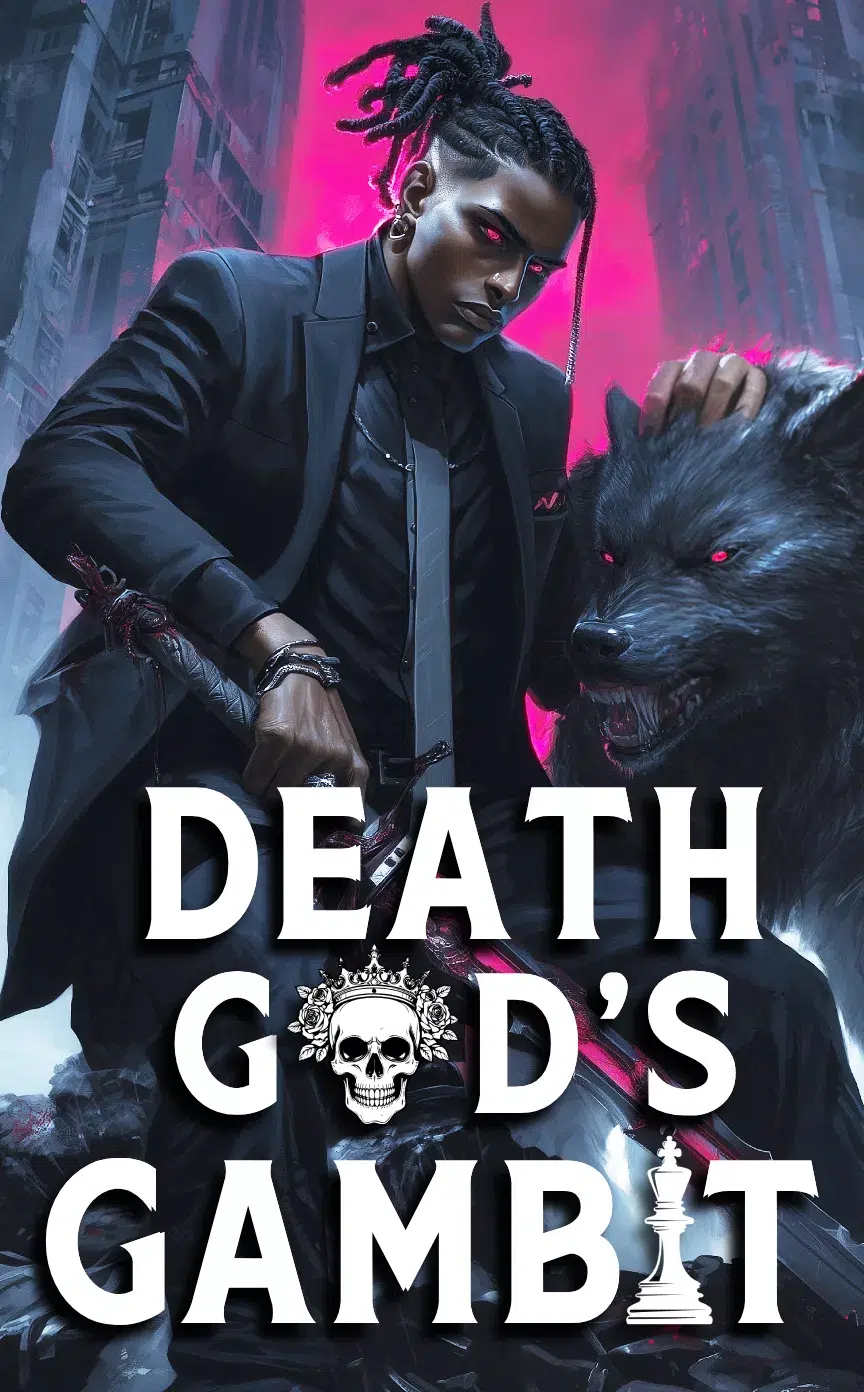
What’s Death God’s Gambit about?
They killed Death’s son. It didn’t stick. Now he’s back for revenge and everything they’ve built.
Kai was a low-level enforcer for the crime family that raised him. He had simple dreams, like eating real meat, gaining arcane powers, and executing a hostile takeover.
Then his boss betrayed him, sacrificing him to dark gods in a profane ritual.
But that turned out to be a lucky break.
Because Kai discovered he’s Death God’s son—and dying was a minor inconvenience. Even better, it made him stronger.
Now, as an undead demon in disguise, Kai must master the Darklands’ trials, claim his birthright, and gain the power to exact his revenge.
Eldritch abominations, calculating nobles, ruthless mobsters and scheming gods stand in his way.
But the gates connecting the Darklands to Earth threaten everything. Kai must decide: save a world that threw him away, or let it rot while he takes his throne.
What makes this dark fantasy novel like Lord Of The Mysteries?
Cards on the table, I’m the author of this story. LOTM and Shadow Slave were my main inspirations, so you’ll find a lot of similar concepts here.
- Calculating, Sardonic MC: Kai wins fights using intel and cunning instead of punching harder. Plus, he narrates it all with dry wit and dark humour.
- Mysteries and Lore: Death God’s Gambit has hidden agendas, enemies who conceal their powers, and deep worldbuilding full of secret lore. If you love coming up with theories, this story gives you the tools to go wild.
- Tiered Hard Magic System: A structured magic system of Gifts and Curses with clear ascension stages, like LOTM’s Sequences. All power comes with costs, and no fights end with last-second power boosts. Readers can follow the logic behind each strategy and theory-craft their own.
- Eldritch Abominations: Horrific creatures beyond mortal comprehension infect the world. One wrong move can mean the difference between life and death. Investigating the unknowable comes at a steep price.
- Cults and Churches: Organised faiths have their own plots, secrets, and reasons to want Kai dead or recruited. Churches devote themselves to approved gods. Cults operate in the shadows, worshipping evil deities or scheming to manufacture new gods.
- Hidden Identity MC: Kai has secrets that would get him killed—or worse—if the wrong person found out. Maintaining his facade gets more difficult as people start asking the right questions.
- Scheming Gods: Gods aren’t just background characters; they actively impact the world through manipulation and interference. Mortals are pieces on their board. But Kai can’t allow that, even if he has to become a god to oppose them.
- Morally Grey World: Knights in shining armour are a fairy tale. In this world, everyone does what’s best for number one. Surviving means getting your hands dirty.
What makes this novel different from LOTM?
- Villain Protagonist: Klein did his best to be a decent guy in a dangerous world. Kai couldn’t care less about decency. He’s comfortable navigating the brutal underworld and breaking any rule if it gives him an advantage. He’ll sacrifice almost anything and anyone on his path to freedom.
- Necromancer MC: Kai is the heir to Death God, granting him the power to control the dead. He starts out unable to use his necromancy properly, but if you like death magic, this story has you covered.
- Modern and Medieval Setting: Death God’s Gambit splits its story across a futuristic, dystopian Earth and the medieval Darklands—two worlds with different rules and rulers. Kai must survive both.
- Trials Instead of Potions: Instead of digesting potions or acting, magic users advance through deadly Trials. Nine out of ten participants die in the attempt. Each Trial differs from the last, increasing in difficulty and complexity as the characters progress.
- Kingdom Building: Similar to Klein’s Tarot Club, Kai builds a criminal organisation and kingdom throughout the series. But Death God’s Gambit dives deeper into recruiting allies, managing resources, negotiating with factions, and building an empire from the ground up.
- Authoritarian Government: In this dystopian future, a shadowy council rules most of the surviving countries with an iron fist. Don’t worry, the Ministry of Truth assures you that the Council acts for the good of humanity.
- Crime Families: Crime families run the shady underworld. Through deals with the Council, nobles, and other unscrupulous characters, these families maintain a tight grip on major resources and infrastructure. Dons fight each other over turf and business disputes—forcing their capos and soldiers to clean up the mess.
- Political Intrigue: Kai must juggle and appeal to the competing interests of noble houses, crime families, scheming gods, and Council ministers. Pitting enemies against each other, negotiating deals, forming flimsy alliances, backstabbing—no option’s off the table.
Here’s why Lord Of The Mysteries readers will enjoy this dark fantasy novel
If you enjoyed watching Klein build the Tarot Club and Church of The Fool but wanted more depth, you’ll love Death God’s Gambit.
Not only does this story drop you into a dark fantasy world filled with eldritch abominations and scheming gods, it also focuses on kingdom building and political intrigue.
Plus, Kai is a ruthless, calculating MC who always has a plan up his sleeve. If you want to see a darker version of Klein, this is as close as you’ll get.
Circle Of Inevitability by Cuttlefish That Loves Diving
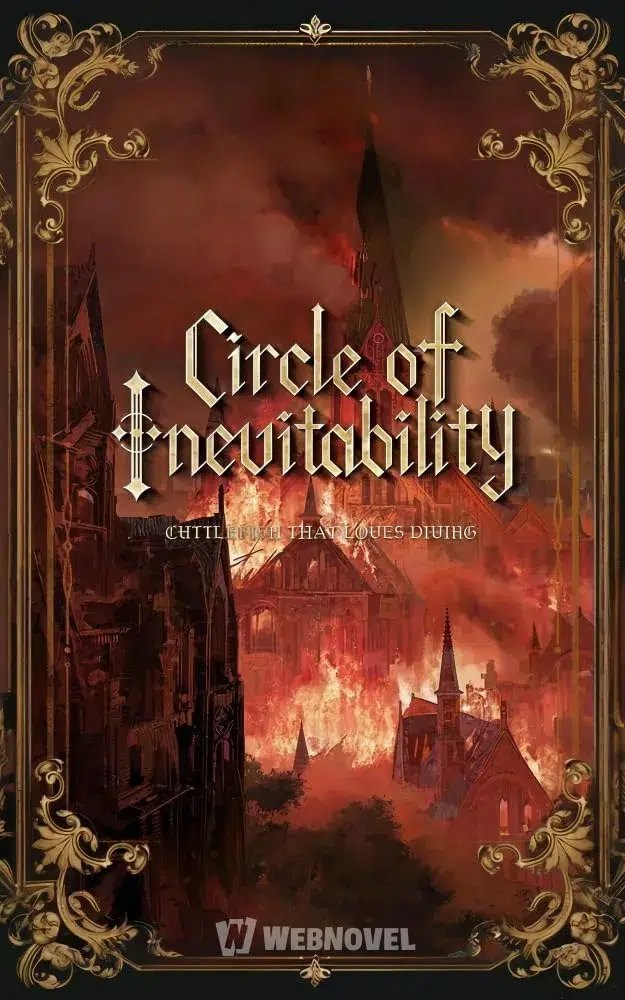
What’s Circle Of Inevitability about?
This story is a sequel to Lord Of The Mysteries.
It follows Lumian Lee, a mischievous teenager in a small village, as he goes on a quest to save his sister from evil gods.
Cults, angels, and gods stand in his way.
Eventually, he realises that the only way to fight the gods is to become one.
What makes this dark fantasy novel like LOTM?
- It’s a Sequel to Lord Of The Mysteries:
Circle of Inevitability is set in the same universe, six to seven years after LOTM’s main story. Beyonder powers and Pathways are back with a few new additions. The story continues with a new protagonist, but you’ll run into old Tarot Club favourites while reading.
Reading this after LOTM is a no-brainer—COI completes the story begun in its predecessor and dives deep into the Hunter Pathway. The ending could’ve been better, but the journey there was fun enough. How could you say no to more LOTM? - More Mysteries: COI delivers more cult conspiracies, evil gods, strange abilities, and a deeper dive into the world’s history. It also answers LOTM’s biggest mystery: what happened to Klein?
What makes this novel different from Lord Of The Mysteries?
- More Time in the High Sequences: One of my biggest pet peeves with LOTM was that it finished too soon after Klein reached the high sequences. COI delivers more high-sequence/divine shenanigans, but the truth is: it didn’t hit the mark like I’d hoped. The divine fights were more confusing than satisfying, and we hardly get to see Lumian at the height of his power because of some weird plot swerves. Still, it was better than nothing.
- Love Triangle Romance: Unlike Klein’s asexual journey to godhood, Lumian rizzes up two baddies in COI. Though it’s more of a polyamorous relationship than a love triangle. The romance was entertaining enough without bogging down the story for the most part. Like Roselle once said, the taste of a demoness ain’t bad.
- Joins Organisations Rather Than Running Them: Lumian joins a bunch of organisations but doesn’t build his own. Although I’m a sucker for kingdom building and anything adjacent to that, this choice didn’t bother me because COI gives us insight into two particularly interesting organisations: the Aurora Order and the Iron and Blood Cross Order.
- More Aggressive Fighting Style: As a Beyonder of the Hunter Pathway, Lumian solves more problems with straightforward firepower than Klein did. The fights are still mostly satisfying, since Lumian isn’t just a pyromaniac; he uses his brain and sets traps for his enemies.
Here’s why Lord Of The Mysteries readers will enjoy this dark fantasy novel
Since this is a sequel to LOTM, reading COI is the obvious next step.
You’ll get more of the LOTM world, lore, and magic system. You’ll also get to see how the Tarot Club members have evolved into powerful individuals in their own right.
Most importantly, you’ll discover what happened to Klein after LOTM.
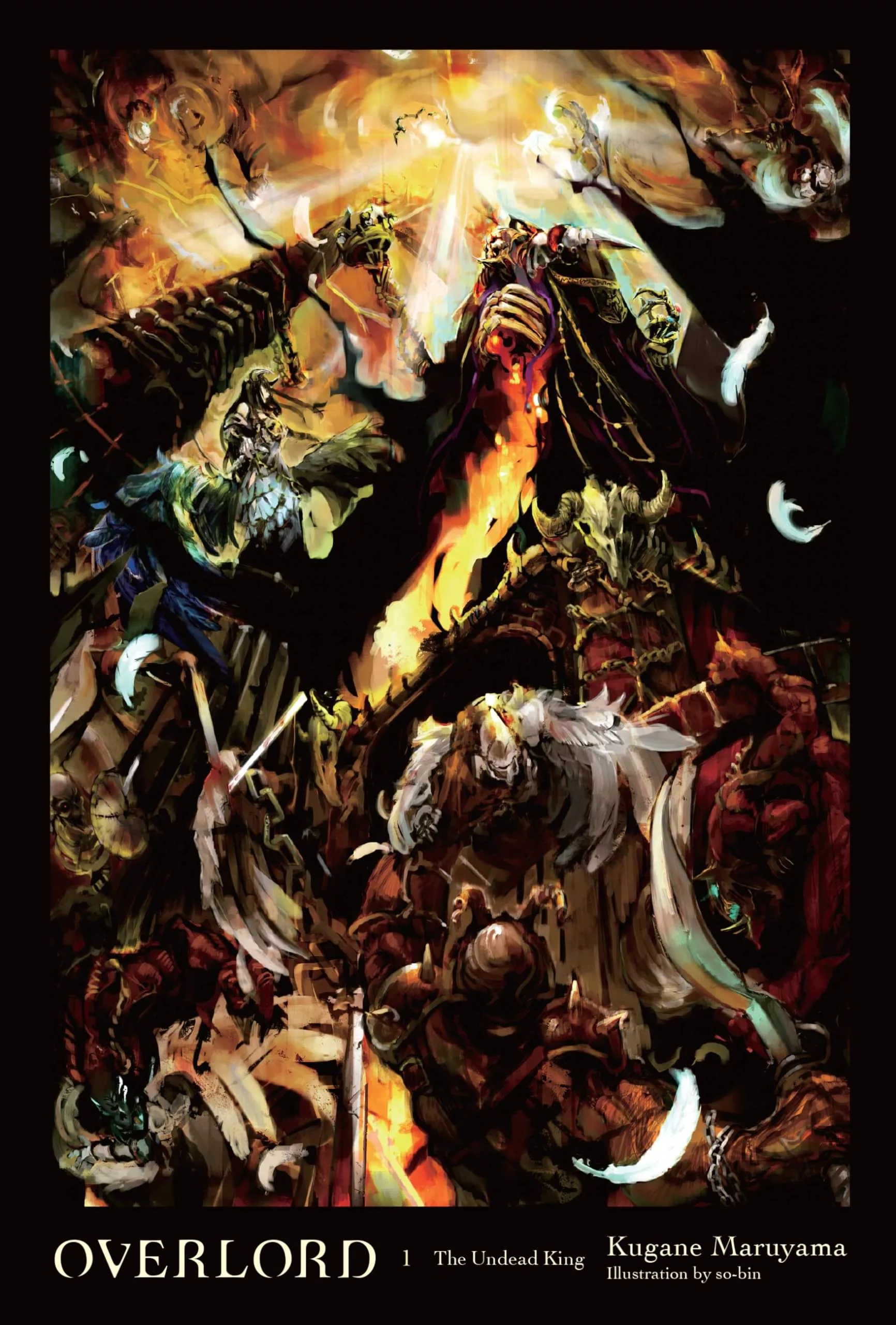
What’s Overlord about?
For twelve years, the virtual world of Yggdrasil has served as the playground and battlefield for the skeletal lord Momonga and his guild of fellow monsters, Ainz Ooal Gown. But the guild’s glory days are over, and the game is shutting down permanently.
When Momonga logs in one last time just to be there when the servers go dark, something happens-and suddenly, fantasy is reality. A rogues’ gallery of fanatically devoted NPCs is ready to obey his every order, but the world Momonga now inhabits is not the one he remembers.
The game may be over, but the epic tale of Ainz Ooal Gown is only beginning...
What makes this dark fantasy novel like Lord Of The Mysteries?
- Hidden Identity: Like Klein, Ainz spends his time bluffing and trying to appear wiser than he is. Fortunately, his subordinates think the world of him, interpreting inane remarks as four-dimensional chess moves. If you enjoyed Klein acting as The Fool in the Tarot Club meetings, Overlord delivers a similar dynamic, though instead of Klein’s cool calculation, Ainz is constantly panicking, scared of being exposed.
- Leader of a Hidden Organisation: Ainz commands his organisation from the shadows, similar to the Tarot Club but far more involved. Instead of weekly meetings, Ainz spends most of his time interacting with his subordinates and executing his organisation’s plans for world domination.
- Powerful Companions: Ainz’s companions are all ridiculously overpowered compared to others in the world. It’s fun to watch them come up against outsiders and completely wipe the floor with them.
What makes this novel different from Lord Of The Mysteries?
- OP MC: Ainz doesn’t claw his way to power like Klein does—he starts out as a max-level lich with power the world’s inhabitants can’t fathom. There’s little chance of him losing any fights—the fun comes from watching him crush overconfident opponents.
- Medieval Setting: Overlord is classic medieval fantasy filtered through a game-world. No guns or steam engines here.
- Huge Focus on Side Characters: Sometimes, an entire volume will focus on a side character’s POV, showing us how they’re affected by Ainz and his subordinates. LOTM does this too, but Overlord cranks it up to 11. It can get annoying when you wanna see more of Ainz and Nazarick, but it’s usually executed well.
- Comedic Tone: This is a comedy series. Sure, there are massacres, torture, and all sorts of horrors, but the tone is mostly light.
Here’s why Lord Of The Mysteries readers will enjoy this dark fantasy novel
If your favourite parts of LOTM were Klein bluffing his way through Tarot Club meetings and the other members mistaking every vague remark for hidden wisdom, Overlord will scratch that same itch for you.
Ainz has the image of an all-knowing ruler, but behind the mask, he’s often improvising and hoping nobody notices. Meanwhile, his ultra-competent subordinates turn his accidental comments into elaborate plans for world domination.
It delivers the same pleasure of watching Klein maintain his mask as a powerful deity, but with more comedy.
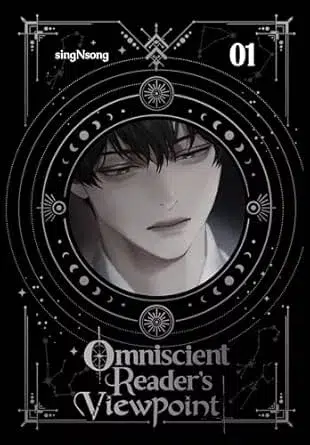
What’s Omniscient Reader’s Viewpoint about?
Kill each other within the time limit or die.
It’s just another evening commute on the train, until the passengers are given an order they can’t disobey. Utter chaos ensues, but ordinary office worker Dokja Kim only feels an unsettling calm.
He knows exactly how this will play out! The subway car, the passengers’ reactions, even the bizarre creature that suddenly appears to oversee this sadistic scenario...everything is straight out of his favourite story, an online novel so obscure he is its sole reader.
And as the only one who knows where the plot is headed, Dokja must use his knowledge to survive the oncoming apocalypse!
What makes this dark fantasy novel like Lord Of The Mysteries?
- Mystery: ORV is packed with interesting questions and mysteries you’ll want answered. Each revelation uncovers new mysteries, keeping you hooked.
- Scheming Gods: The story takes place in a setting where gods watch survivors like a livestream. They sponsor their favourites and manipulate events for their own entertainment. Mortals must perform for the cameras while surviving lethal horrors.
- Calculating MC: Dokja Kim wins using foreknowledge, preparation, and manipulation. He begins the story as a weakling, but he powers through using his smarts and knowledge of the future.
What makes this novel different from LOTM?
- Quest-like Scenarios: ORV is like a deadly game show with explicitly video-game-like scenarios. Each scenario comes with objectives, rewards, and penalties like a quest in an RPG.
- Meta Storytelling: This story is all about stories, readers, and authors. There’s even a skill called ‘Fourth Wall’.
- Modern-Day Setting: ORV’s set in modern-day Seoul. Though some scenarios take place in medieval-like fantasy environments, smartphones and technology are part of the story.
Here’s why Lord Of The Mysteries readers will enjoy this dark fantasy novel
If you thought the apotheosis rituals were some of the best parts of LOTM, ORV has a lot you’ll like.
Instead of a meagre offering of rituals, you get loads of scenarios with conditions the participants need to meet to progress. Each scenario is unique and entertaining—as soon as one finishes, you’ll be wondering what the next quest will bring.
Add in a calculating protagonist who manipulates gods and fellow survivors using knowledge he shouldn’t have, and ORV becomes an easy recommendation for LOTM readers.
Which Dark Progression Fantasy Novel Should I Read After Lord of the Mysteries?
What did you love most about Lord Of The Mysteries?
If you loved LOTM’s mysteries and lore:
Its dead gods, hidden histories, and lore reveals will keep you reading past your bedtime. And unlike LOTM, you won’t need to push through a slow opening to reach the good stuff.
If you loved Klein’s scheming:
Kai builds the foundations of his criminal empire from book one. He schemes, lies, and uses whoever and whatever he can to get what he wants.
You’ll also get a deeper exploration of the organisation-building LOTM teased.
If you want more of the LOTM world:
Read Circle Of Inevitability next.
It’s the official sequel to LOTM. Same magic system, new protagonist, old Tarot Club favourites. Plus, you’ll get the answer to LOTM’s biggest question: what happened to Klein?
If you loved the Tarot Club and supporting cast:
Ainz spends much of the series trying to maintain his image in front of his subordinates, who misunderstand his words as genius moves in some grand plan.
In Overlord, you’ll get a colourful supporting cast and the kind of entertaining group dynamic that made the Tarot Club meetings such a highlight.
If you loved LOTM’s scheming gods and the apotheosis rituals:
Read Omniscient Reader’s Viewpoint next.
The gods sponsor and manipulate mortals for their own entertainment and agendas. But Dokja doesn’t take this lying down; he uses his meta-knowledge to play the gods against each other and build his own power base.
Plus, instead of only a few rituals, ORV gives you a feast of interesting scenarios and quests to enjoy.
If you wanna fill that Lord Of The Mysteries-shaped hole in your heart, the novels above will give you the mysteries, scheming, progression, or eldritch horror you’re craving.
Got a suggestion I missed? Comment below.